Best Tide Windows for Beach Fishing and Why the Top of the Tide Works
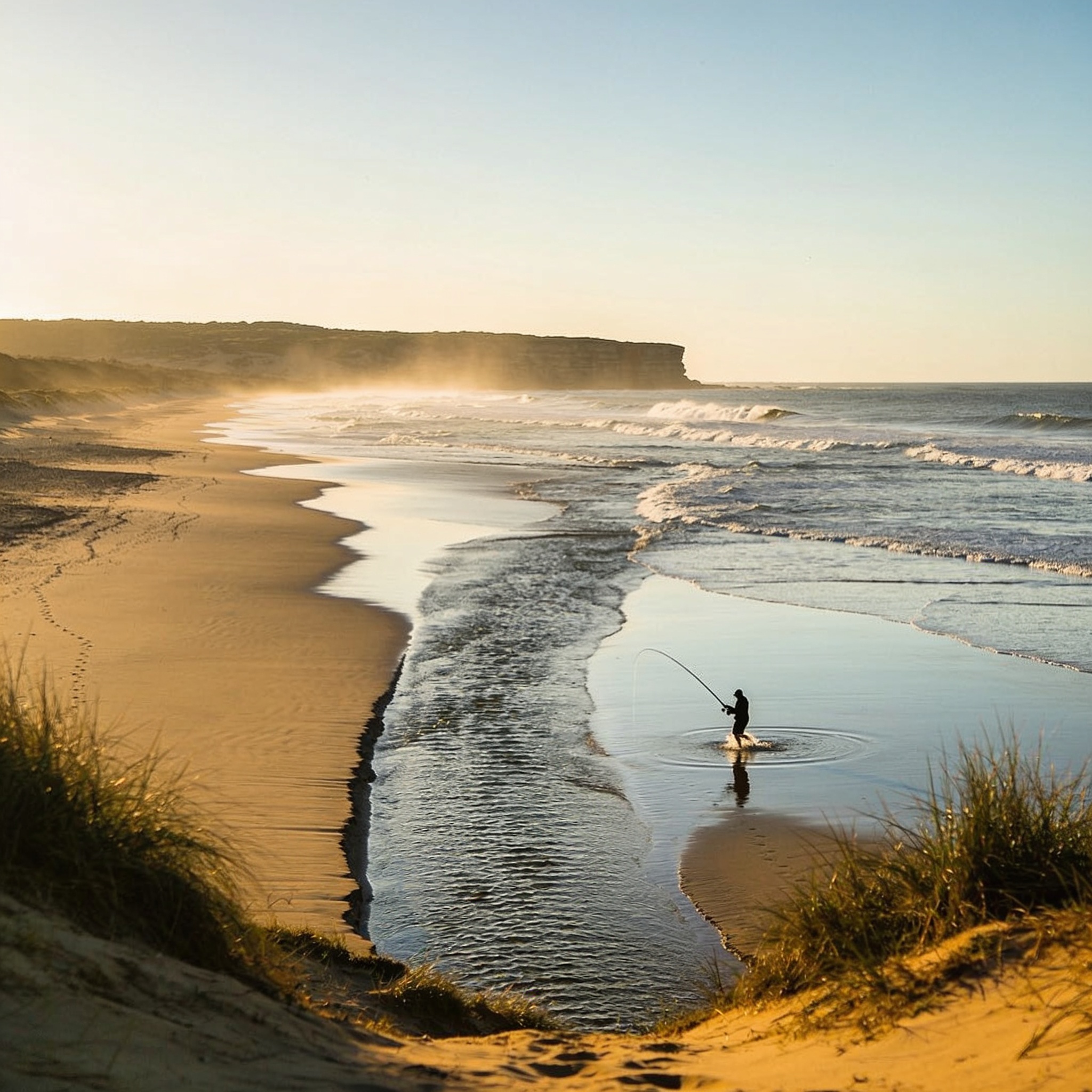
Tide Is the First Thing to Check, Not the Last
Most anglers pick a beach first and think about the tide later. Reverse that habit and your catch rate lifts almost immediately. The tide decides how much water sits over a bar, whether a gutter is deep enough to hold fish, and how strongly water pushes along the beach. A gutter that is bone dry and boiling white at low water can be a calm, waist-deep highway for bream, whiting and tailor two hours later. Same beach, same rig, completely different result.
Around Sydney we get two high tides and two low tides roughly every 24 hours and 50 minutes, so the useful windows shift forward by about 50 minutes each day. Print or note the times for your local stretch, then plan the session around them rather than around your own convenience.
Why the Top of the Tide So Often Delivers
The last of the flood and the first of the ebb — often called the top of the tide — is the classic beach window, and there are solid reasons for it.
- Access to the shallows. Extra depth lets fish move confidently over sand flats and into the shore break where they are otherwise too exposed.
- Fresh food. Rising water lifts and rolls beach worms, pipis, crabs and small baitfish that have been sitting in the wash zone.
- Cover. Deeper, more aerated water over a bar reduces the risk of birds and larger predators, so fish feed for longer.
- Slack then movement. Around the turn you get a brief easing of the run, which makes bait presentation easier, followed by a fresh current that switches feeding back on.
In practice, aim to be casting about 90 minutes before high and stay through to roughly an hour after. That three to four hour block covers the build-up, the turn and the first push of outgoing water.
When the Bottom of the Tide Is Better
The top of the tide is a reliable default, not a rule. Low water has one great advantage: it exposes structure. Walk a beach at the bottom of a spring low and you can map gutters, holes, rips and the gaps in the bar with your own eyes. Mark them on your phone or against a landmark on the dune line, then come back and fish those exact spots when the water covers them.
Low tide can also fish well where a deep gutter runs close to shore and stays holding water. Concentrating fish into a smaller volume is often a bonus, especially for bream, dart and flathead. Similarly, the outgoing tide near a beach-adjacent creek or lagoon mouth flushes food seaward and can be the standout window of the day.
Stacking Tide With Light and Swell
A tide window becomes far more powerful when it overlaps with other triggers.
- Dawn or dusk on a rising tide. Low light plus deeper water over the bar is the single most productive combination on most Australian surf beaches.
- Night high tides. Excellent for mulloway, bream and salmon, provided the beach is one you know well in daylight first.
- Spring tides. Around the new and full moon, tidal range is bigger and water moves faster, which usually means more feeding activity but also stronger sweep.
- Moderate swell. One to one and a half metres stirs food without turning the gutter into unfishable soup.
If you can only fish one window a week, choose a rising tide finishing near dawn or dusk on a beach with a defined gutter. For more on locating that water and matching your rig to it, see our beach and surf fishing techniques guides.
Reading the Water Inside Your Window
Once you are on the sand, use the first ten minutes to watch rather than cast. Look for the darker blue-green lanes of deeper water between white breaking bars, foam that drains sideways into a channel, and points where waves stop breaking altogether. Cast to the edges of those features, not the middle of the whitewater. As the tide rises, be prepared to move back up the beach and shorten your cast — fish come to you as the water deepens over the inshore trough.
Safety Notes for Tide-Based Sessions
Rising water is exactly what cuts anglers off on rock ledges and sand spits. Before you settle in, work out your exit route and check whether the tide will cover it. Never turn your back on the swell, fish with a mate where possible, wear footwear with grip, and tell someone your plan and expected return time. Wave sets arrive in groups, so watch a full cycle of several minutes before committing to a low ledge or a shallow wade.
Build a Simple Tide Log
Keep a short note after every trip: beach, tide stage, swell, wind, time and what you caught. Within a season you will see patterns specific to your local stretch that no general guide can give you. That log is the most valuable piece of tackle you own.
Questions about tide windows on a particular Sydney beach? Get in touch with Beach Fishing Australia on +61240309140 or [email protected] during Mon–Fri: 09:00 – 17:00 (AEST) and we will point you toward the right stage of water.

Navigation
See also
FAQ