Metal Lures and Stickbaits in the Surf: When Lures Beat Bait
Why Lures Sometimes Outfish Bait on the Beach
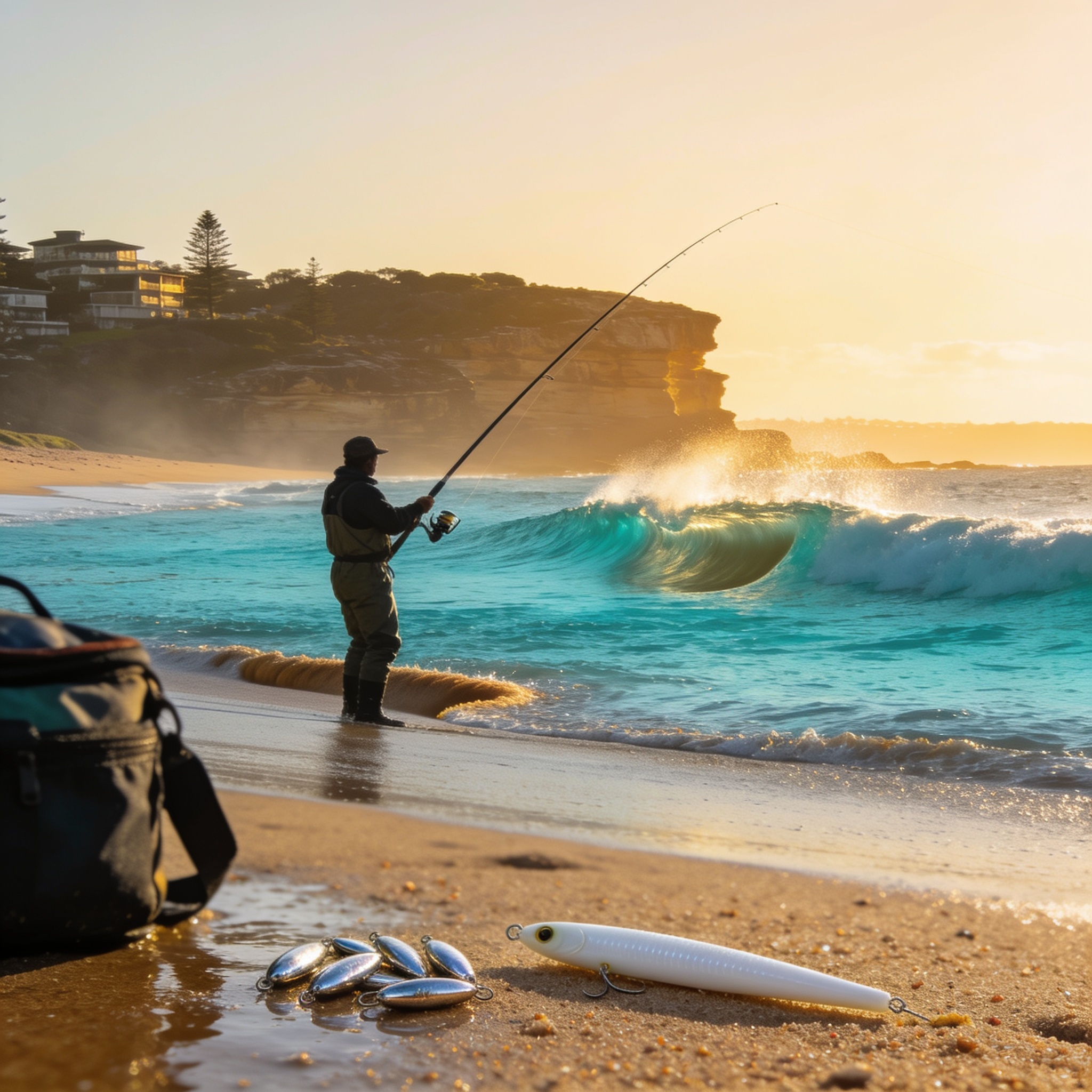
Bait fishing is the backbone of Australian beach angling, but there are mornings on the Sydney coast when a bait sits untouched while a fast-moving metal slug gets smashed three casts in a row. The difference is usually pace. Pelagic and predatory species that patrol the surf zone — tailor, salmon, bonito, kingfish, occasionally longtail tuna in the warmer months — hunt by sight and movement. They are travelling, not browsing. A stationary pilchard on a paternoster only works if the fish swims close enough to find it. A lure covers water, searches gutters and triggers a reaction strike from fish that are moving through fast.
Lures also solve practical problems. They keep working when pickers strip your bait in twenty seconds, they let you fish a two-hour tide window without a bait supply, and they let you walk a long stretch of beach with a light setup. On busy Sydney beaches where you may have to move to find clean water, mobility matters more than a big spread of rods in the sand.
When to Reach for Metal Instead of Bait
- Surface activity. Birds working, bait balls flickering, or bow waves in the back of a gutter — cast a lure immediately, before the school moves on.
- Clean, moderate surf. A metal slug shines in green water with a defined gutter and manageable swell. Heavy foam and churned sand favour bait and scent.
- First and last light. Tailor and salmon push hard into the wash at the edges of the day. Lures let you fish fast through that short window.
- Wind in your face. A compact 40–65 g slug punches into a nor-easter far better than a lightly weighted bait rig.
- Short sessions. Sunrise before work suits a rod, a small box of lures and a pair of pliers.
Stick with bait when the surf is dirty, when you are targeting bottom feeders like whiting, bream bream-sized flathead or mulloway on a rising night tide, or when the beach is flat and featureless and fish are unlikely to be actively chasing.
Choosing Metals and Stickbaits
Metal slugs and slices
Long, narrow chrome slugs in 40–85 g are the workhorse of the Australian surf. They cast a long way, sink quickly and imitate a fleeing whitebait or pilchard. Carry a couple of weights so you can match the wind and the depth of the gutter. Swap tired split rings and trebles for stronger single hooks if you want easier releases and fewer snags in your landing net.
Stickbaits
Floating and sinking stickbaits from 90–140 mm add a different profile and a slower, more deliberate action. They excel over shallow bars and in the backwash where a heavy metal would bury itself in sand. A sinking stickbait worked with sharp twitches will often tempt salmon that have refused a fast slug, and it holds in the wave face rather than being flung out of it.
Soft plastics and blades
Do not overlook a 4–5 inch paddle-tail on a 1/2 oz jighead for flathead in the corner gutters, or a small blade rolled slowly through the wash for bream and tarwhine around rock-and-sand junctions.
Rigging and Gear
A 9–10 ft light surf rod rated to around 20–40 g, or a 10–12 ft rod for heavier metals, paired with a 4000–6000 size spin reel is a sensible spread. Braid in 15–30 lb gives you distance and bite detection; join it to two to three metres of 20–40 lb fluorocarbon or hard mono leader to survive sand, shells and tailor teeth. For tailor specifically, a short single-strand or heavy fluoro trace reduces bite-offs without killing the action.
Tie the leader with a slim, low-profile knot so it slips through the guides on the cast. Clip the lure on with a solid ring and a good quality snap or a loop knot — a loop lets a stickbait swing freely and looks more natural on the pause.
Retrieve and Presentation
- Read the water first. Spend five minutes finding the gutter, the rip and the sand bar edges before your first cast. Cast along the gutter, not just straight out over it.
- Angle your casts. Quartering casts keep the lure in productive water for longer than a square cast that crosses the strike zone once.
- Vary the speed. Start with a fast, steady wind for salmon and tailor. If you get follows but no takes, add pauses and let the metal flutter — that drop often triggers the hit.
- Work the wash. Many fish sit within a rod length of the foam. Keep the lure moving right to your feet and lift the rod tip as the wave lifts the lure.
- Move often. Fifteen casts and no sign of life? Walk fifty metres and try the next feature. Covering ground is the lure angler's biggest advantage.
Berley, Bait and Lures Together
You do not have to choose. A common Sydney approach is to set one bait rod in a sand spike on a gutter edge, then spin a metal along the same stretch while you wait. If you are using berley, keep it upcurrent of the bait rod and fish your lure on the fringes of the trail where predators come in to investigate. Just keep track of your lines and never leave a lure rod resting where the surf can wash it away.
Safety and Handling
Lure fishing pulls you closer to the water than bait fishing does, so the usual surf rules matter even more. Watch the sets for several minutes before wading, never turn your back on the swell, wear boots or shoes with grip, and avoid isolated rock-and-sand headlands in big seas. Tell someone your beach and your expected return time.
Handle your catch quickly. Wet hands or a wet cloth, support the fish's body, and use long-nosed pliers to remove hooks — treble-armed metals are unforgiving on both fish and fingers. Know your local size and bag limits, keep only what you will eat, and take every scrap of line, packaging and old leader home with you. Healthy beaches around Sydney depend on it.
Talk to Us
Have a question about a specific beach, a lure choice or a rig? Get in touch with Beach Fishing Australia on +61240309140 or [email protected] during Mon–Fri: 09:00 – 17:00 (AEST) and we will point you in the right direction.

Navigation
See also
FAQ