Victorian Surf Beaches: Surf Coast, Ninety Mile Beach and Gippsland
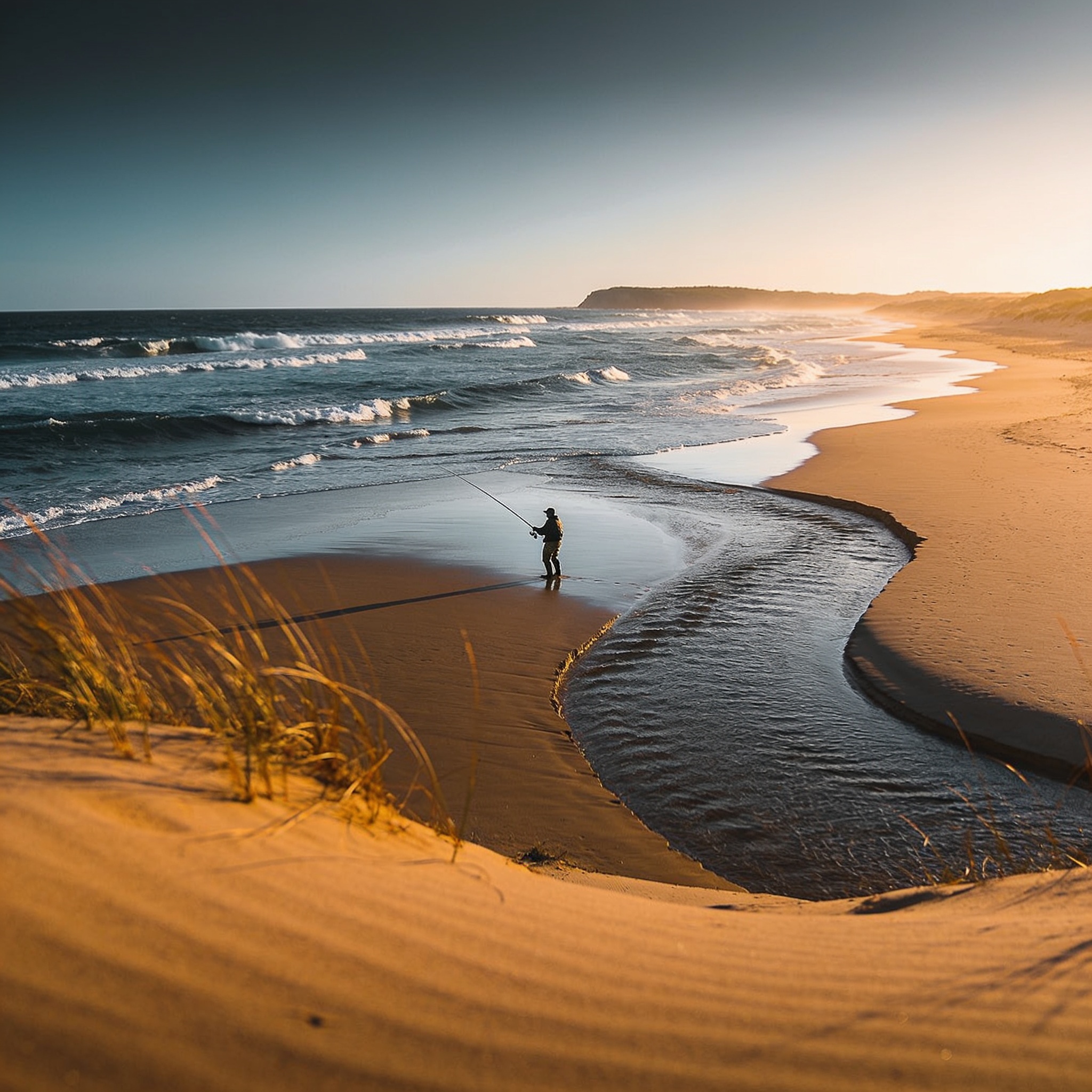
Why Victoria Rewards Patient Beach Anglers
Victoria's southern-facing coastline takes the full force of the Southern Ocean and Bass Strait, which means colder water, bigger swell and beaches that rebuild themselves after every front. For anglers used to the gentler east-coast banks around Sydney, the change is noticeable: gutters are deeper, rips run harder, and the fish tend to sit closer than you expect. The upside is quality. Australian salmon in good numbers, gummy sharks over sand, snapper off deeper Gippsland beaches and mulloway for those willing to fish the dark hours all sit within reach of a long rod and a sensible rig.
The three regions covered here — the Surf Coast, Ninety Mile Beach and the wider Gippsland coast — each ask for a slightly different approach. Reading the water is the constant. If you can pick a gutter, work out where it drains and time your session to the tide, you will catch fish on all three.
The Surf Coast: Short Beaches, Steep Gutters
From Torquay through Jan Juc, Bells, Anglesea and on toward Lorne, the Surf Coast is a series of pocket beaches broken up by reef, headland and cliff. These beaches are often steep, with a close-in trough that holds fish within 20 to 30 metres of the sand. Long casting matters far less than accurate casting.
- Look for the pause in the whitewater. A darker, calmer lane between two breaking bars is your gutter. Fish the ends where it drains, not the middle.
- Reef edges are gold. Where sand meets reef you get wrasse, sweep and the odd snapper, but also more snags — use a lighter dropper so you lose the sinker, not the whole rig.
- Salmon respond to movement. Metal slices of 40 to 65 grams cast into the gutter and retrieved briskly will out-fish bait on many mornings.
Swell here can jump fast. Never fish a rock ledge or a cut-off beach without checking the forecast, and always watch a spot for a full ten minutes before committing.
Ninety Mile Beach: Reading an Endless Shoreline
Ninety Mile Beach, running from Seaspray past Golden Beach to Lakes Entrance, is the opposite problem: too much choice. The sand looks identical for kilometres, so you must learn to spot structure rather than hunt for landmarks.
- Walk the high ground behind the dune line and scan along the beach rather than straight out to sea. Gutters show as long, dark, foam-flecked lanes.
- Note where the outer bar is broken. That break is the entry and exit point for fish moving in on the tide.
- Mark your spot with a dune shape or vegetation clump before you walk down — everything looks the same at water level.
Standard Ninety Mile fare is Australian salmon, tailor, flathead and gummy shark, with mulloway a genuine chance on a rising tide after dark. Paternoster rigs with 4/0 to 6/0 hooks and fresh pilchard or squid cover most of it. For gummies, a single running sinker rig with a fillet of trevally or salmon fished on a slack, low-light period is hard to beat.
Gippsland: Estuary Mouths and Deeper Water
East of Lakes Entrance the coast becomes wilder — Cape Conran, Marlo, Bemm River and the beaches beyond. Estuary and lake entrances flush nutrients and baitfish into the surf, and those outflows concentrate predators. Fish the edge of the discoloured water rather than the middle of it.
Deeper Gippsland beaches occasionally produce snapper and salmon in the same session, so a two-rod setup works well: one rod on a static bait in the gutter, one for casting metals or soft plastics. Keep the second rod light enough that you will actually use it.
Gear, Rigs and Timing
- Rod: 11 to 13 foot, three-piece for travel, rated around 6 to 10 kg for general work.
- Line: 20 to 30 lb braid with a 40 lb leader, or 15 kg mono if you prefer stretch in heavy shore break.
- Sinkers: star or spiked sinkers from 60 to 120 grams — Victorian sweep is stronger than most anglers expect.
- Timing: the two hours either side of high tide, overlapping dawn or dusk, is the most reliable window on all three regions.
Sound technique travels well between states. If you want to drill deeper into casting, rig choice and gutter reading, work through our core material on beach and surf fishing techniques before your first Victorian trip.
Safety, Cold Water and Conservation
Southern Victorian water sits cold year-round, so wear layers, a windproof outer and consider waders with a belt. Fish with a mate where possible, tell someone your plan, and stay off rock platforms in big swell. Check current Victorian bag and size limits before you go — they differ from New South Wales rules — and take home only what you will eat. Berley sparingly, carry your line scraps out, and leave the dune vegetation alone; it is what holds these beaches together.
Planning a trip and want a second opinion on conditions or a rig? Contact Beach Fishing Australia on +61240309140 or [email protected] during Mon–Fri: 09:00 – 17:00 (AEST) and we will point you in a sensible direction.

Navigation
See also
FAQ