WA Beach Fishing Guide: Perth Metro, the South Coast and the Gascoyne
Why Western Australia Rewards Patient Beach Anglers
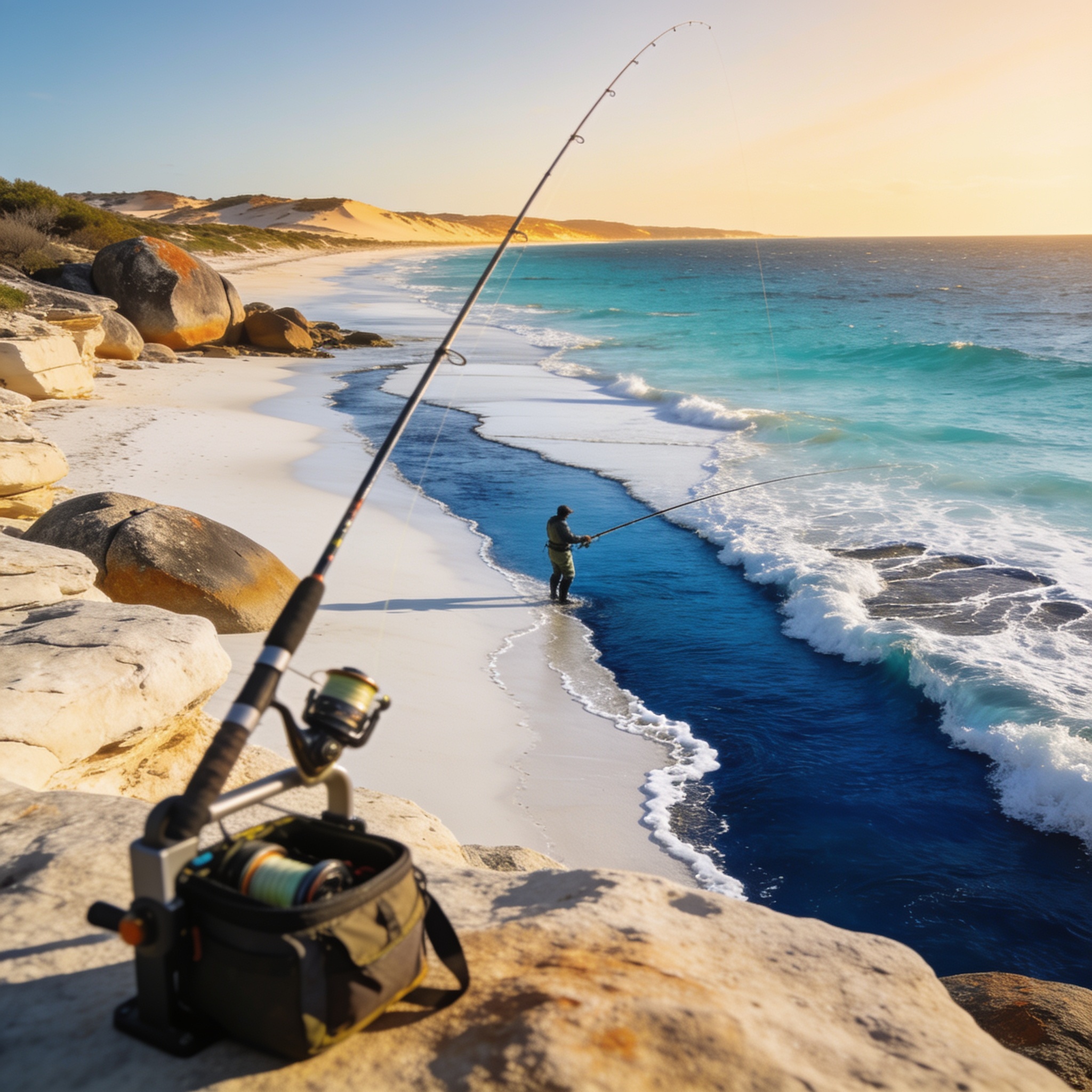
Western Australia hands land-based anglers an enormous range of water: clear limestone-fringed metro beaches, heavy granite-backed surf along the South Coast, and the warm, open sand of the Gascoyne. For readers coming from Sydney and the east coast, the biggest adjustment is scale. Gutters are longer, swell lines travel further, and a single beach can hold three or four completely different fishable features. Reading water carefully matters more here than owning expensive gear.
Start every session by standing back from the water for five to ten minutes. Watch where waves fail to break — that darker lane is deeper water, and it is where fish travel. Look for foam that drains sideways rather than straight back out: that sideways pull marks a trough feeding a rip, and rips are dinner plates for tailor, whiting and mulloway.
Perth Metro: Short Sessions, Structured Beaches
The metro strip from Mandurah north to Two Rocks suits anglers with limited time. Reefy edges, groynes and sand holes sit close to shore, so a light 9 to 11 foot rod with 4000–5000 size reel is often enough. Target the first gutter at dawn and dusk.
- Whiting — small long-shank hooks, bloodworm or squid strips, fished in knee-deep sandy holes.
- Tailor — mulies on a two-hook gang or 20–40 g metals cast into the wash at last light.
- Herring — tiny baits under a float near reef edges, excellent for introducing kids to surf fishing.
- Flathead and skippy — pick up along drop-offs where sand meets weed.
Metro beaches get busy, so fish early, keep berley light, and avoid casting near swimmers or board riders.
The South Coast: Big Swell, Big Fish, Serious Caution
From Augusta east through Albany, Bremer Bay and Esperance, the Southern Ocean drives consistent swell into deep beach gutters. This is classic mulloway and salmon country, with autumn salmon runs pushing schools within easy casting range.
Heavier tackle earns its place here: a 12 to 13 foot surf rod, 20–30 lb braid with a shock leader, and a paternoster or running sinker rig with 40–60 lb mono trace. Fish the top of the tide into darkness for mulloway using whole squid, mullet fillet or tailor heads.
Granite headlands look inviting but are the most dangerous ground in the state. Never fish a ledge without watching a full swell cycle first, always wear a life jacket on rocks, and treat any wet rock line as a warning of where waves have already reached.
The Gascoyne: Warm Water and Wide Horizons
North of Kalbarri, through Carnarvon and Coral Bay toward Exmouth, water warms and the species list changes. Expect queenfish, trevally, mackerel off deeper beaches, plus emperor and cod around rock and coral edges. Long, wadeable flats also make this superb country for casting lures and flies at sight-fished fish.
- Carry more water than you think you need and fish shaded hours.
- Use single hooks on hard-body lures to make releases faster in the heat.
- Check regional rules for sanctuary zones before you cast, especially near reef systems.
- Tell someone your beach access track and expected return time.
Rigs, Timing and Bait That Travel Well
Three rigs cover most WA beach work: a two-hook paternoster for bait presentation in the wash, a running sinker for suspicious mulloway and bream, and a simple lure clip setup for metals and stickbaits. Keep sinkers as light as the current allows so baits move naturally.
For timing, prioritise the two hours either side of a tide change, and add moon and low-light periods for larger predators. If you want to sharpen the underlying skills before your trip, our beach and surf fishing techniques notes explain gutter reading, casting into wind and bait presentation in detail.
Look After the Beach You Fish
Take every scrap of line and bait packaging home, avoid driving on dunes, and release undersized or breeding fish quickly with wet hands. Respect size and bag limits, and where possible keep only what you will eat within a few days.
Questions about a specific stretch of WA coast, or want help matching gear to a planned trip? Contact Beach Fishing Australia on +61240309140 or [email protected] during Mon–Fri: 09:00 – 17:00 (AEST) and we will point you toward realistic, safe options.

Navigation
See also
FAQ